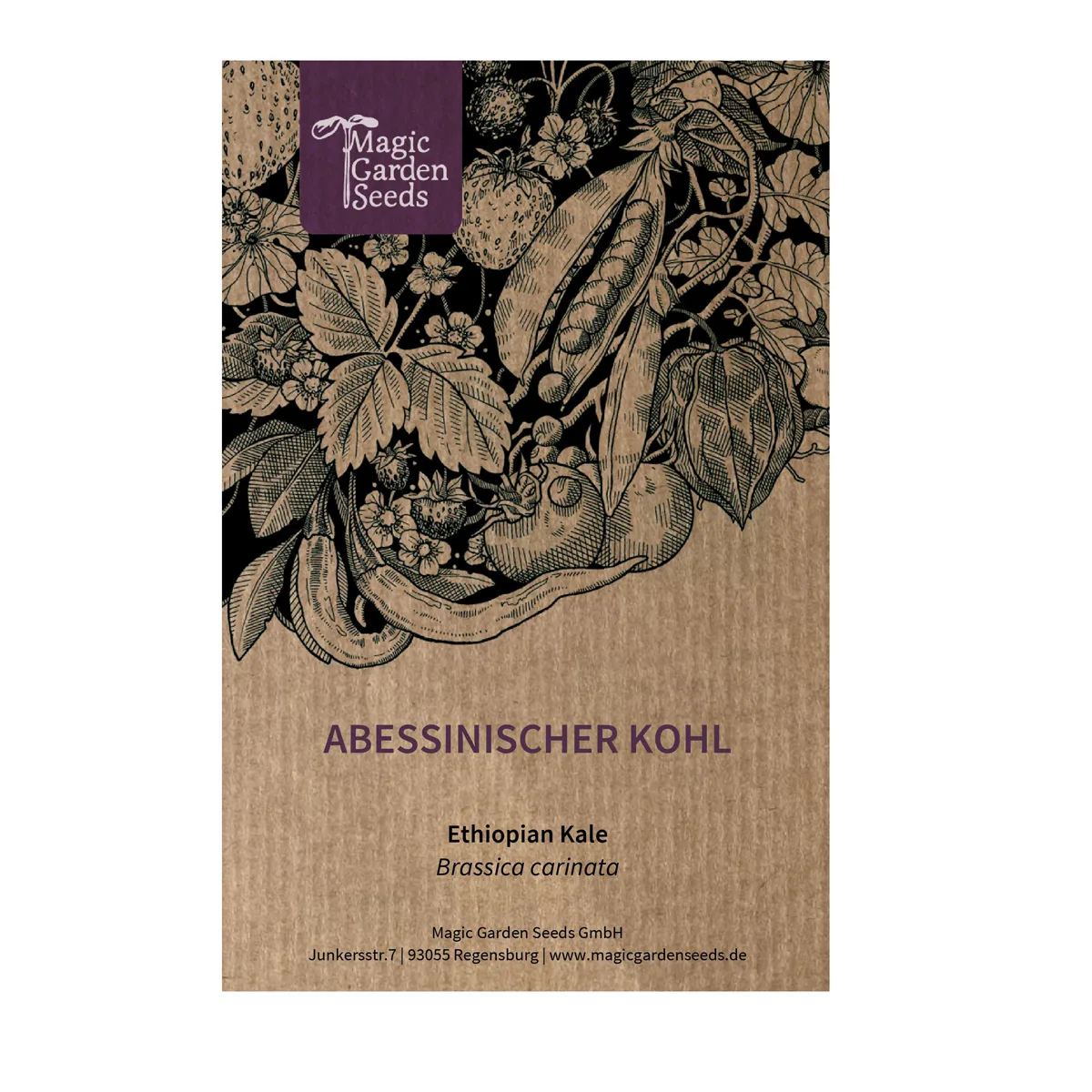
Chou d’Abyssinie (Brassica carinata) graines
- Légume-feuille au goût doux et épicé, idéal à cuire, à poêler ou en salade – productif et rapidement prêt à récolter
- Contenu : env. 100 graines
- Variété de graine résistante, facultée de germination régulièrement testée
2,39 €
Description
Abyssinian Kale: A Multifaceted Gem from Northeast Africa
Imagine cultivating a plant in your garden that not only enriches your meals but can also be used to produce biofuels. Abyssinian kale, also known as Ethiopian mustard, is precisely such a plant.
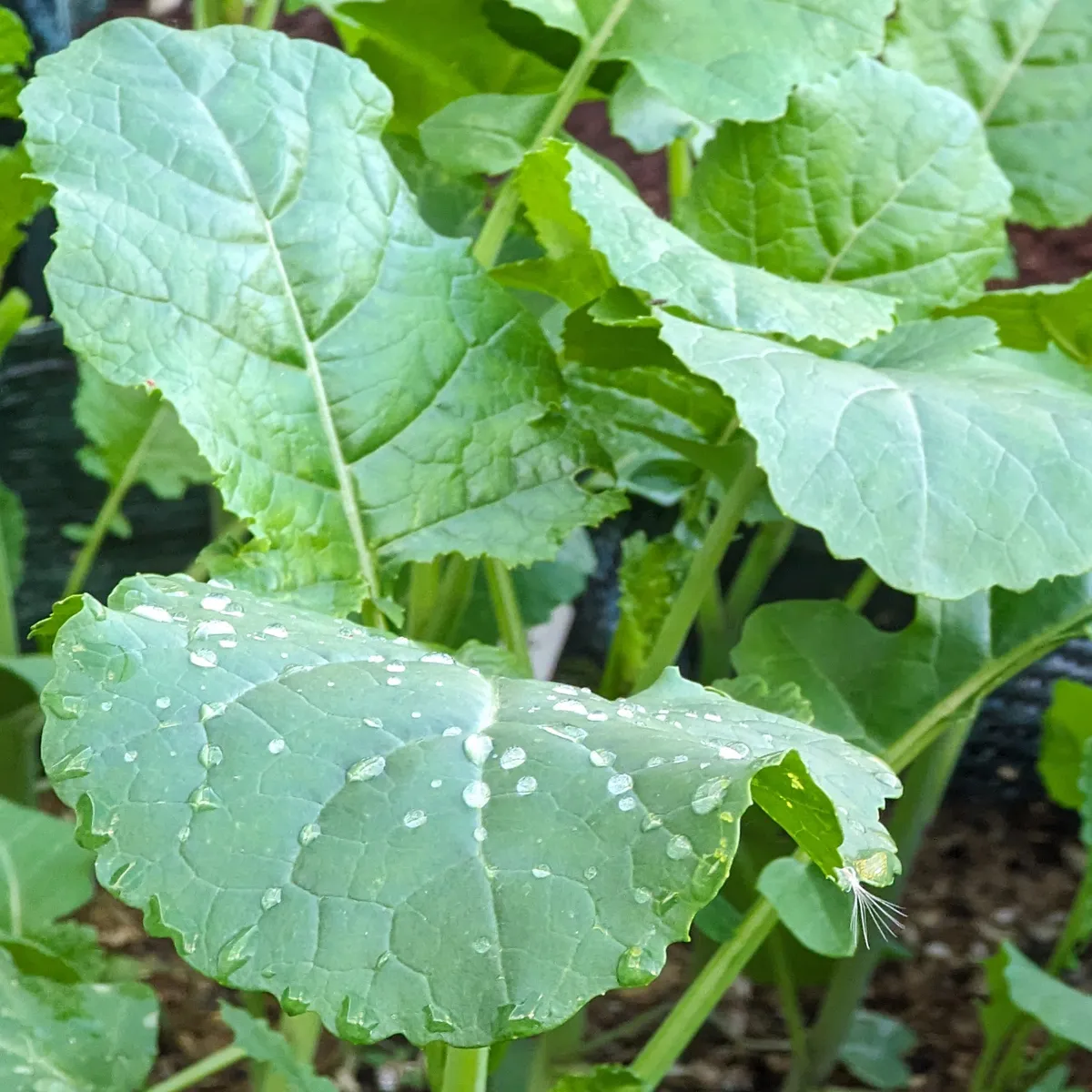
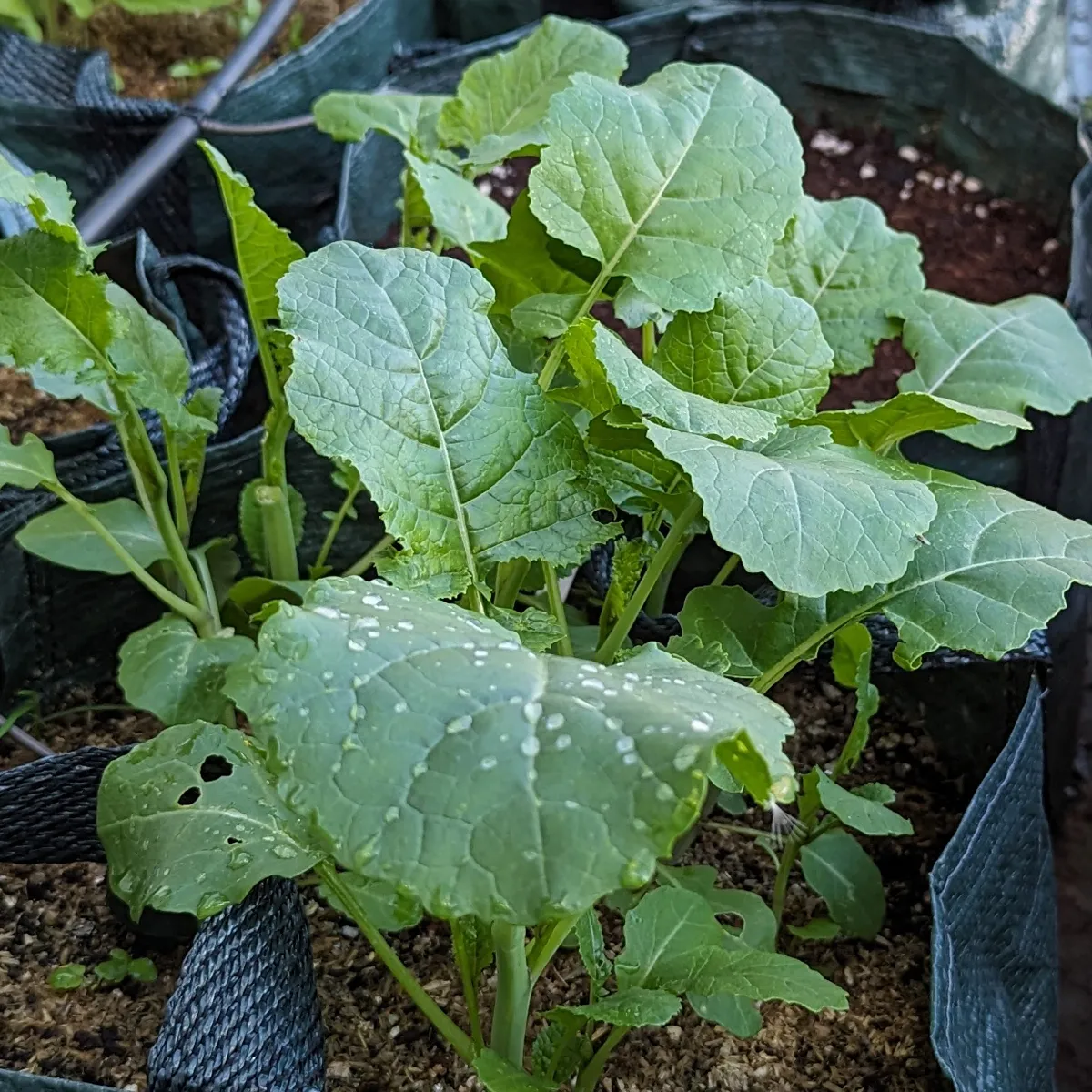
The Abyssinian kale (Brassica carinata) is an extraordinarily versatile crop from Northeast Africa. In Ethiopia, it has been cultivated as a leafy green for millennia and is a staple in local cuisine. The young, tender leaves and stems enhance salads, stir-fries, or vegetable side dishes with a pleasantly mild, slightly nutty flavour reminiscent of broccoli.
But this plant offers even more: its oil-rich seeds can be used to produce high-quality vegetable oil, traditionally used as cooking oil and now also for biofuel production. Abyssinian kale is also notable for its robustness, heat tolerance, and rapid growth. Just a few weeks after sowing, you can harvest the vitamin-rich leafy greens—a true all-rounder for self-sufficiency enthusiasts and hobby gardeners.
Culinary Uses
Why not try a simple recipe? Here's an idea: 'Sautéed Abyssinian Kale with Garlic and Lemon.' Simply fry the leaves in olive oil, add garlic and lemon juice, and season with salt and pepper. This quick and healthy dish highlights the unique flavour of Abyssinian kale.
Fiche de la plante
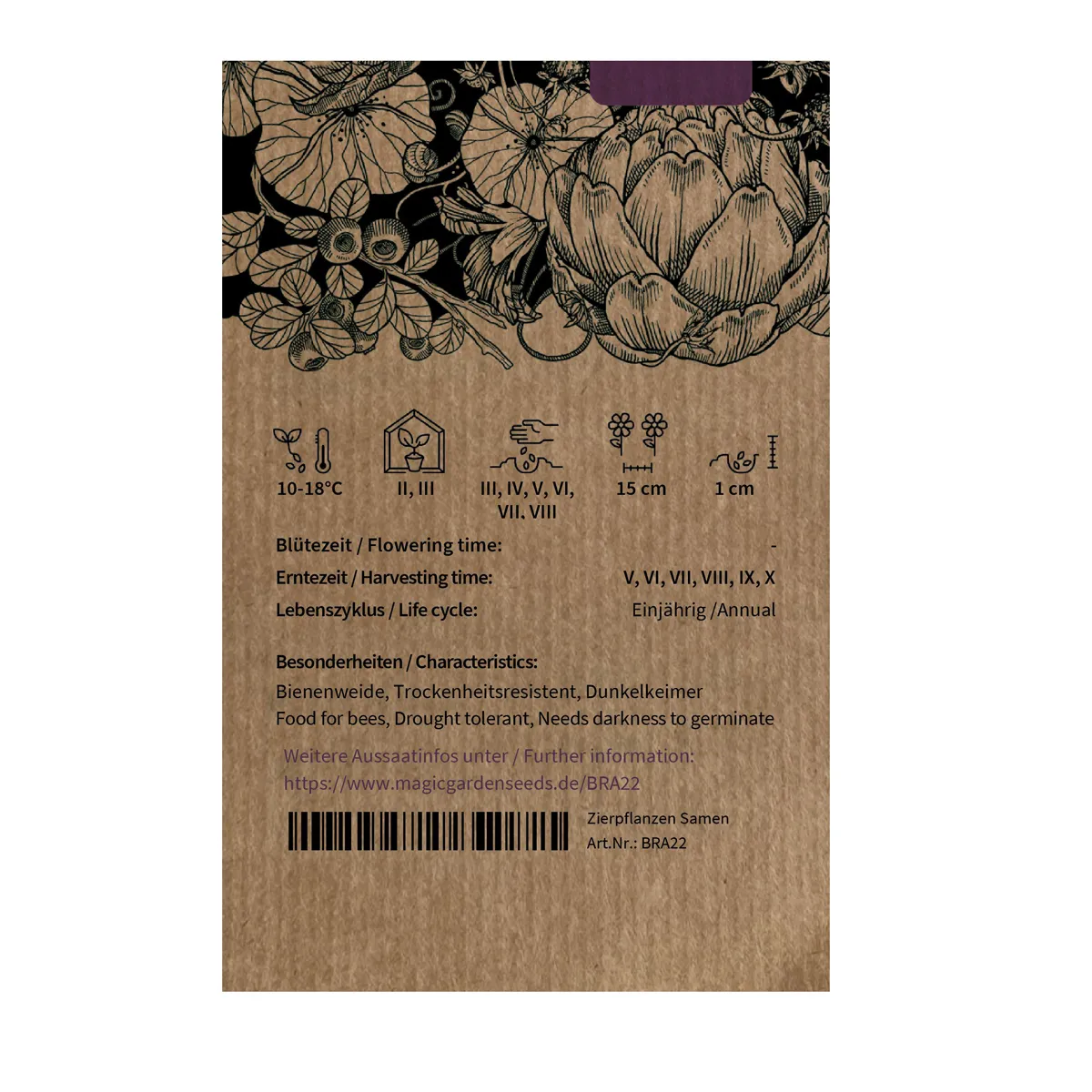
| Mode d'emploi | Bonne plante nourricière pour les insectes, Engrais vert, légume, Plante oléagineuse |
|---|---|
| Cycle de vie | Annuelle |
| Espèce | Brassicaceae |
| Reproduction des semences de graines | konventionell |
| Région d'origine | Afrique |
| Caractéristiques | Germe dans l'obscurité, Plante méllifère, Résistante à la sécheresse |
| Hauteur de croissance | 100-150 cm |
| Couleur des fleurs | Jaune |
| Récolte principale | Août, Juillet, Juin, Mai, Octobre, Septembre |
| Structure racinaire | Racine pivotante, Racine profonde |
Conseils de culture
| Période de semis en pleine terre | Août, Avril, Juillet, Juin, Mai, Mars |
|---|---|
| Profondeur de semis | 1 cm |
| Température de germination | 10-18°C |
| Durée de germination | 1-2 semaines |
| Climat | Sec, Tempéré |
| Type de sol | Frais, Modérément riche en nutriments, Perméable, Sec |
| Ensoleillement | Plein soleil |
| Besoin en eau | Moyen |
| Distance de semis | 15 cm |
| Distance entre les rangées | 30 cm |
Semis et entretien
Sowing and Cultivation
- Sowing Time: March to September outdoors; year-round on a windowsill
- Sowing Depth: Approximately 1 cm (requires darkness to germinate)
- Germination Temperature: 12–22°C (minimum 3°C); germination period 8–10 days
- Location: Sunny to partially shaded, sheltered from wind
- Plant Spacing: Row spacing 25 cm, thin to 2–5 cm within the row
- Care: Low nutrient requirement, water during dry periods, keep soil loose
- Harvest: First leaves and shoots after about 5–7 weeks, continuous harvesting possible
Sustainability
Cultivating Abyssinian kale is not only straightforward and productive but also ecologically beneficial. The plant thrives in various climatic zones and contributes to biodiversity in your garden. Additionally, it is a sustainable choice for those who value environmentally friendly agriculture.
Abyssinian kale is not just a rare traditional crop but also a delicious and uncomplicated addition to modern cuisine—straight from your garden or balcony container.